
Photo by Richard Bell, unsplash
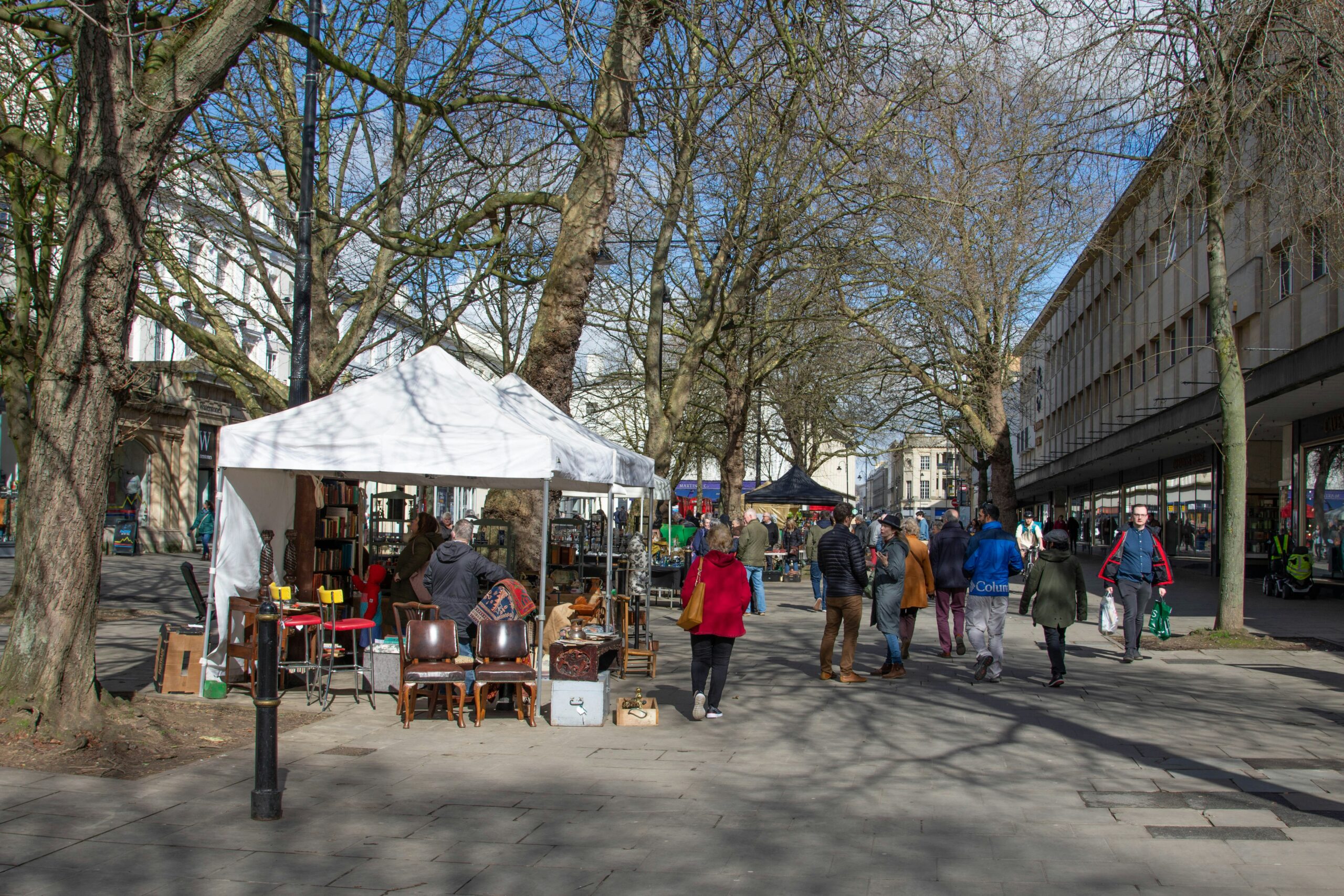
Cheltenham, the cultural capital of the Cotswolds, strikes a rare balance. It has preserved its Regency charm while adapting to modern demands. This makes it an interesting case study in understanding how people choose where to relocate.
Historic architecture lines the Promenade. Leafy streets still echo the town’s spa-town legacy. But behind the elegance, co-working hubs, independent retailers and high-spec developments are shaping a modern town.
What drives relocations
Across the UK, relocation patterns are shifting. Families, professionals and retirees aren’t driven solely by work opportunities or property prices. Quality of life is often top of the list. That includes access to nature, good schools, and a strong sense of place.
Towns like Cheltenham offer exactly that. They feel lived-in but not worn down, cultured but not too busy. For many, that mix is more attractive than bigger cities, where rapid development can feel soulless.
Regional hubs
London remains a central hub, but it no longer holds a monopoly on opportunity. The pandemic fast-tracked remote and hybrid working models. That change freed people to look at towns like Cheltenham, York, and Winchester.
These regional centres offer connectivity, manageable commutes, and vibrant economies. They also often sit within or near Areas of Outstanding Natural Beauty, something hard to match in dense urban areas.
As people settle in these towns, demand grows for reliable legal support, especially around property transactions, wills and family matters. For example, Cheltenham solicitors can advise locals and newcomers moving from areas like London, Bristol, or Birmingham.
Legal considerations when moving
Relocating may feel like a lifestyle decision, but it brings legal implications. When buying property in conservation areas like Cheltenham’s Pittville or Montpellier, buyers must be aware of planning restrictions. Some homes may be listed or fall under Article 4 Directions, limiting permitted development rights.
Local solicitors play an important role in navigating these layers. They carry out due diligence, review title deeds, and ensure compliance with local planning constraints.
For those moving with families, school catchment areas also involve legal scrutiny. In towns like Cheltenham, disputes around school placements may arise. Clear legal guidance can help clarify eligibility and strengthen appeals.
Inheritance and long-term planning
People aren’t just moving but thinking about staying. That means early conversations about wills, trusts and estate planning. Many families opt to transfer wealth or establish joint ownership structures when settling in long-term homes.
Solicitors well-versed in local property markets and UK succession law provide advice on tax efficiency, rights of survivorship, and safeguarding assets across generations.
Cheltenham’s older housing stock also raises practical concerns. Legal input may be needed for leasehold arrangements, shared driveways, or restrictive covenants (common in older deeds).
What Cheltenham teaches us
Cheltenham isn’t standing still, but it isn’t racing ahead blindly either. Its ability to evolve while maintaining its character reflects a broader UK trend. People want more than just convenience – they also want a sense of belonging.
As towns like Cheltenham attract new residents, the role of local professionals (estate agents, planners, and solicitors) becomes central. They help preserve the balance between heritage and growth, making modern relocation smoother, smarter and more sustainable.